
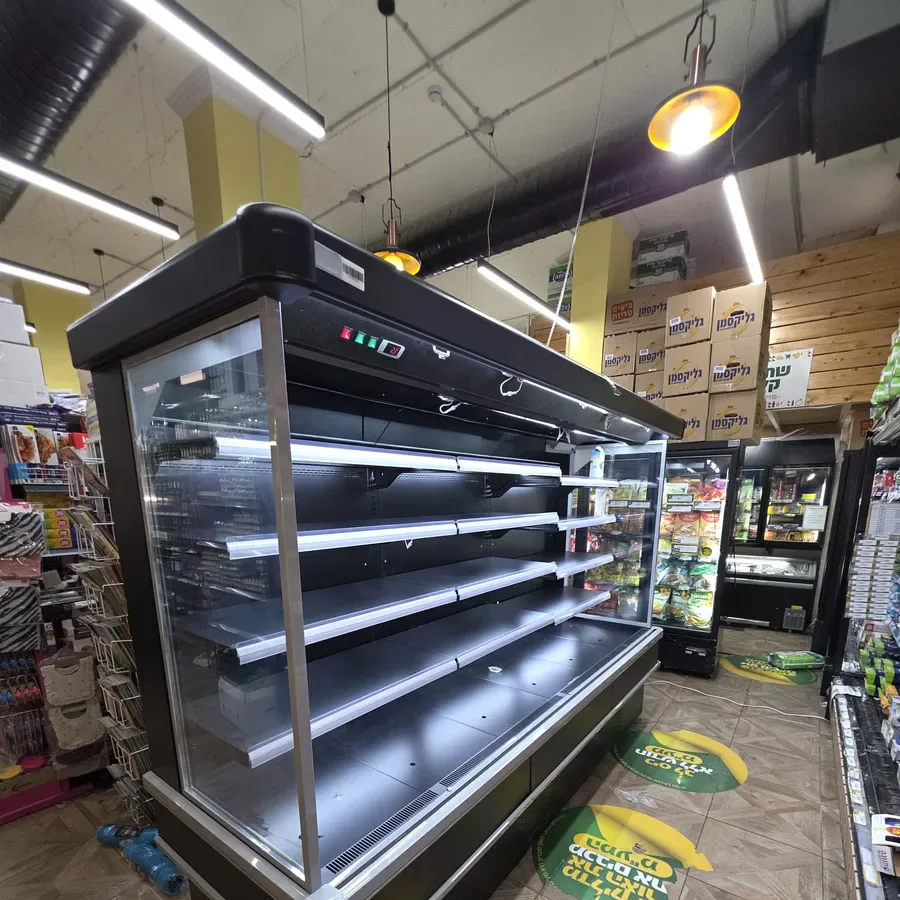
The right cold room starts with the workflow it must support. Room volume alone is not enough to choose a system that performs well over time.
Start with what the business needs to cool
Before choosing equipment, define what enters the room, how often goods move in and out, how long the door stays open and which operating temperatures are required. A room used for storage is different from one receiving warm products or supporting a production process.
These details affect cooling load, equipment location and daily workflow. Planning from room dimensions alone can miss the real load created during operations.
Information to prepare for a planning discussion
The more structured the initial information, the easier it is to compare options. Prepare:
- Internal and external dimensions, including height and access conditions.
- Target temperature and the products or process involved.
- Product volume, entry and exit frequency and door-open time.
- Possible locations for the condensing unit, drainage, power and ventilation.
- Site restrictions, existing infrastructure and staff workflow requirements.
Maintenance access is part of the design
A refrigeration system needs to be accessible for inspection and service. Consider equipment location, technician access, drainage, condenser cleaning, panel opening and access to sensors and controls. A system that is difficult to reach can make every future service visit longer.
The door, gaskets, curtains and shelving also affect daily use. They should fit staff movement and the equipment entering the room, not only look correct on a plan.
What a sound system decision looks like
The decision is not simply about the lowest or highest price. Compare the fit with the process, operating conditions, service options and expected maintenance over the system lifecycle. Sometimes an existing-infrastructure upgrade is more suitable than a full replacement; in other cases, a new design reduces future constraints.
Before installation, define the scope, what the plan includes, which conditions depend on the site and what requires further inspection. This keeps expectations clear and evaluates the system against the business’s actual need.