
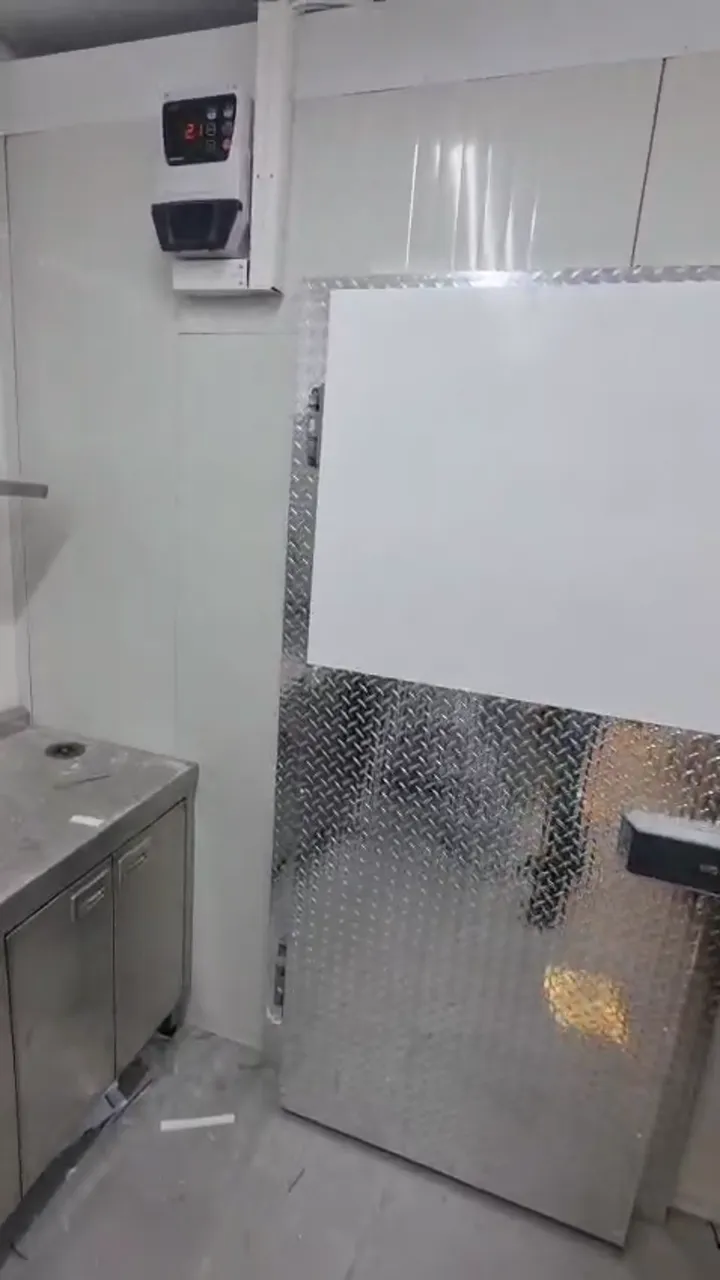
A rising temperature does not always point to the same component. A structured assessment starts with the symptoms the business sees and continues through the complete system.
A rising temperature is a symptom, not a diagnosis
When a display case, cold room or central system does not reach its target temperature, it is easy to point immediately to the compressor or refrigerant. In practice, the same symptom can come from airflow, ice build-up, a door that is not sealing, a control component, the electrical supply or changed operating conditions.
Start by recording what changed: when the temperature began to rise, whether it affects all equipment or only one unit, and whether there is noise, ice, water or an error message. This information helps narrow the inspection without replacing parts unnecessarily.
Safe checks before a service call
Before calling, the team can gather useful operating information without opening covers or interfering with electrical or refrigeration components:
- Check the displayed temperature and, where possible, compare it with a separate reading.
- Make sure doors, gaskets and curtains close correctly and that air openings are not blocked.
- Note unusual ice build-up, a new noise or repeated cycling.
- Record the equipment type, business location and any displayed error code.
What professional diagnostics should cover
A proper diagnosis looks at the equipment as a system: condensing and evaporating units, compressor, fans, piping, controls, electrical supply and the actual site conditions. The goal is to identify the source and explain the treatment options, rather than guessing from one symptom.
Scope depends on the system, component condition, parts availability and access. After inspection, the appropriate response may be a targeted repair, maintenance, component replacement or a wider system solution.
When not to wait
If the temperature keeps rising, if inventory or production is at risk, or if there is a burning smell, electrical hazard or unusual noise, stop unsafe actions and contact a professional. Do not dismantle the system or release refrigerant without the appropriate training and equipment.
An efficient service call includes the system type, current temperature, symptoms and business location. That gives the initial assessment a clearer starting point.