
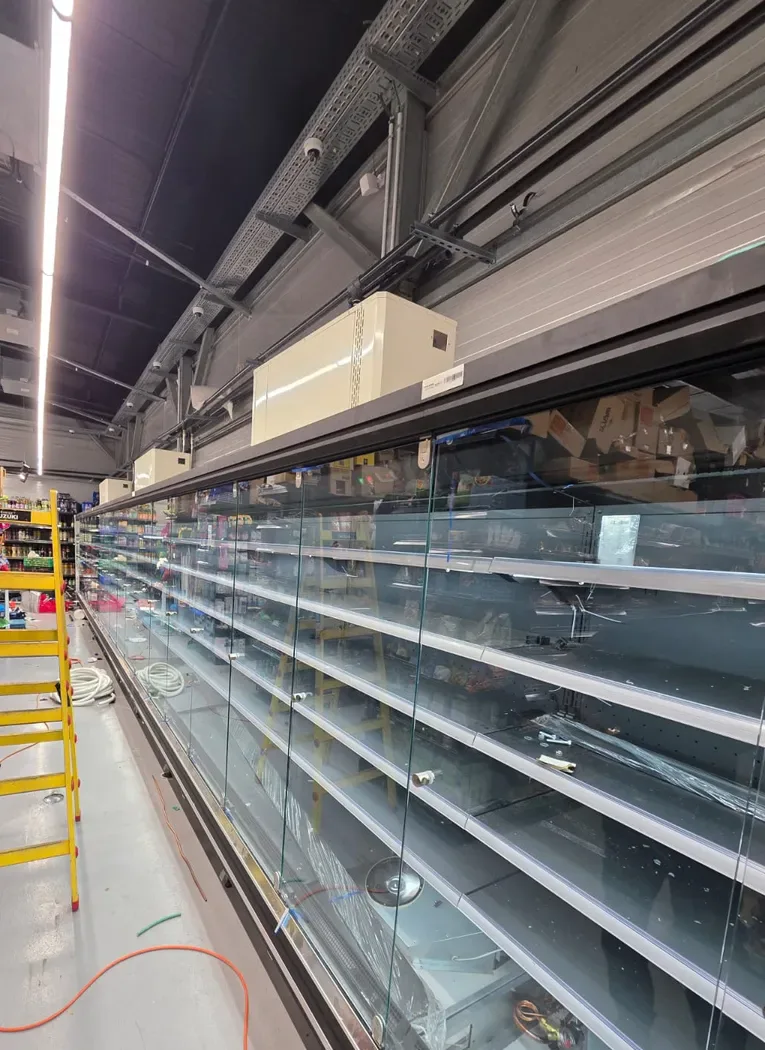
Preventive maintenance is more than cleaning. It helps identify performance changes, wear and operational risks before they become downtime.
Why maintenance matters in an active business
Business refrigeration operates alongside inventory, staff and daily processes. A small temperature change, restricted airflow or worn component can increase load and reduce the system’s ability to maintain the required conditions.
A maintenance plan cannot promise that faults will never happen. It creates regular inspection points and helps identify trends before they become a major interruption to the business.
Checks worth including in a maintenance plan
The exact inspection depends on equipment type, operating temperatures and site conditions. A useful plan usually considers:
- Actual temperatures, run times and changes from normal operation.
- Cleanliness and airflow around condensers, fans and air intakes.
- The condition of gaskets, doors, curtains and drains.
- Noise, vibration, ice build-up and unusual water or refrigerant signs.
- Controllers, sensors, alarms and electrical supply as appropriate to the equipment.
What staff can do and what requires a professional
Business staff can keep equipment areas clear, avoid blocking air openings, check door closure and record temperature changes or alarms. A short log with the date, equipment and symptom can help reveal repeated problems.
Checks involving the refrigeration circuit, electrical systems, controls, leaks, pressures and internal components should be performed by a professional with the right equipment. Skipping that inspection can result in longer downtime or parts being replaced without solving the cause.
How to build a maintenance routine for the site
Start with an equipment list and describe how each unit is used: which systems run all day, which rooms are critical to inventory, what the operating temperatures are and which warning signs staff already notice. A service frequency can then be considered based on load, environment and system condition.
When wear is found, document the options and urgency. This helps separate a safety or urgent repair from an upgrade that can be planned in advance.